Knee pain caused by arthritis or joint misalignment can limit movement and affect daily life. For people who are not yet ready for a full knee replacement, osteotomy knee surgery may be a strong alternative. Both procedures aim to relieve pain and restore mobility, but the right choice depends on your age, activity level, and the condition of your knee joint.
Understanding Osteotomy Knee Surgery
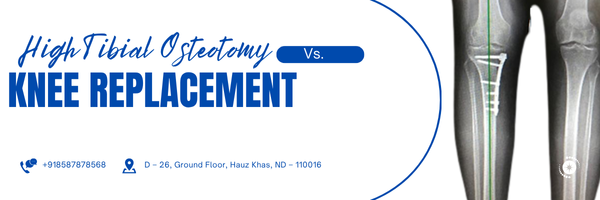
An osteotomy is a bone-cutting procedure designed to realign the knee joint and shift weight away from the damaged area. During the surgery, a small wedge of bone is either removed or added to correct the angle between the thigh bone and the shin bone. This adjustment redistributes pressure evenly across the joint, reducing pain and improving function.
Osteotomy is often recommended for younger, active patients with early-stage arthritis confined to one part of the knee. It preserves your natural joint and delays the need for a total knee replacement.
What Happens During Knee Replacement Surgery
A knee replacement involves removing the damaged bone and cartilage and replacing them with artificial implants made of metal and plastic. It is typically recommended for older patients or those with advanced arthritis where both sides of the knee joint are affected.
While this surgery provides long-lasting pain relief, it also involves a longer recovery period and certain movement restrictions, especially for people who engage in high-impact activities like running or jumping.
Key Differences Between the Two Procedures
While both surgeries aim to relieve pain, their approach and long-term outcomes differ.
Osteotomy Knee Surgery:
- Ideal for patients below 55 years with partial knee damage.
- Preserves the natural joint structure.
- Allows a return to active lifestyles and sports.
- May delay knee replacement for 10–15 years.
Knee Replacement Surgery:
- Suitable for older patients with severe joint damage.
- Artificial components replace the natural knee joint.
- Offers long-term pain relief and improved stability.
- Some limitations in high-impact physical activities.
Recovery and Rehabilitation
Recovery after osteotomy knee surgery usually takes three to six months, depending on bone healing and physiotherapy progress. Weight-bearing activities are introduced gradually under medical supervision.
For knee replacement, recovery may take up to nine months, with regular physiotherapy sessions to regain strength and flexibility. Both surgeries require commitment to post-surgery care, exercises, and follow-up appointments to ensure the best results.
Choosing the Right Surgery for You
The decision depends on your lifestyle goals, age, and degree of knee joint damage. Younger patients or those wishing to maintain active mobility may benefit more from osteotomy, while patients with advanced arthritis and multiple joint surface damage may find knee replacement more suitable.
Your orthopedic surgeon will assess X-rays, medical history, and activity level before recommending the most effective treatment plan.
Key Takeaway
Both osteotomy and knee replacement aim to restore comfort and mobility, but they serve different needs. For tailored guidance and advanced orthopedic care, reach out to Dr. Biren Nadkarni at Joint & Bone Solutions, where every treatment is designed around your knee’s long-term health and mobility. As a specialist in osteotomy knee surgery, he provides advanced, patient-centered treatment plans that focus on joint preservation, stability, and long-term recovery.